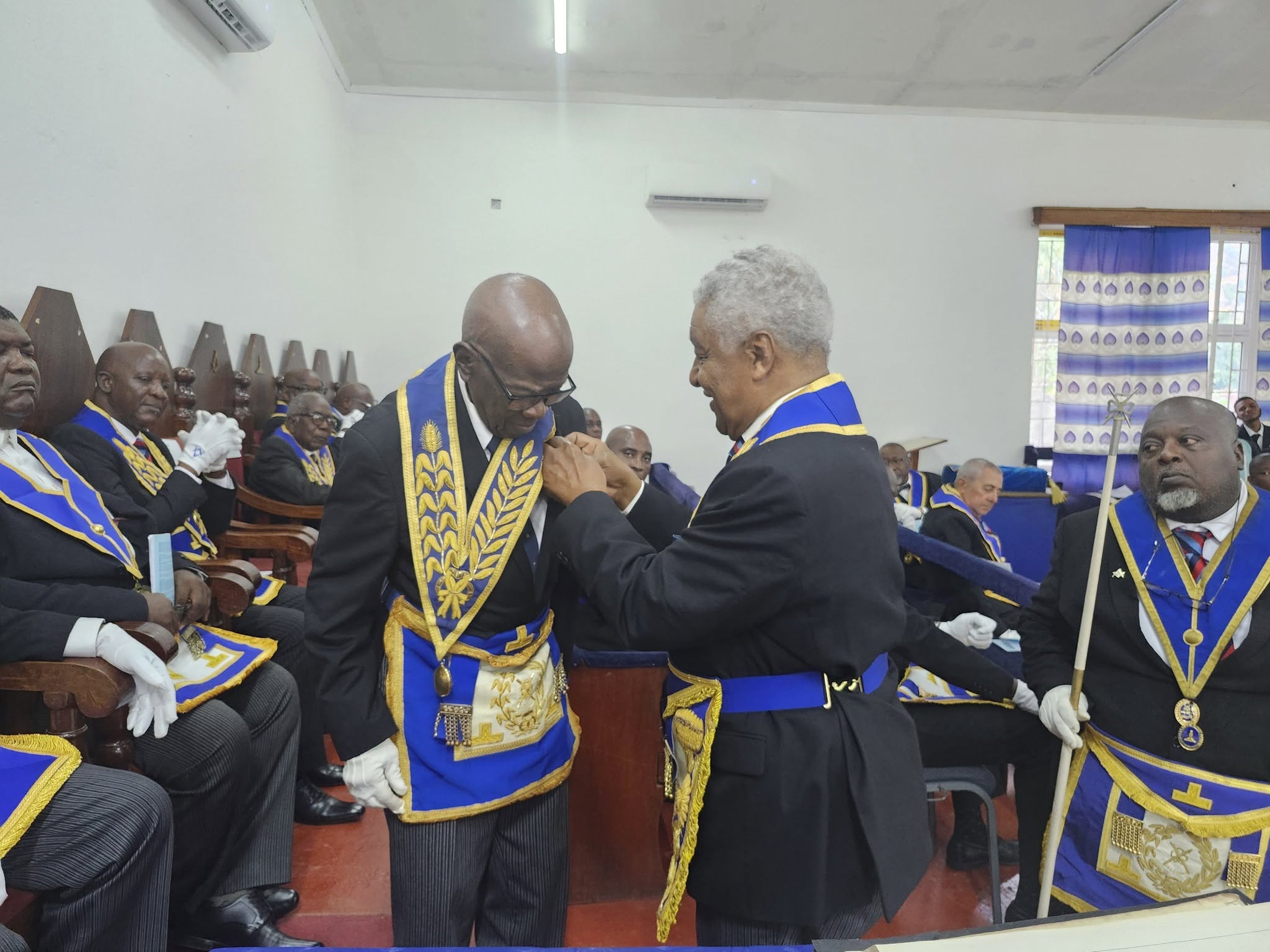
The District Grand Lodge of Sierra Leone and The Gambia (English Constitution) is the governing body of Freemasonry within Sierra Leone and The Gambia, operating under the authority of the Read More
Sunday, 23 Aug 2026
A Guide to Joining a Lodge Under the District Grand Lodge of Sierra Leone and The Gambia
Introduction
Freemasonry is one of the world's oldest and most widely established fraternal organizations. It brings together men who seek to develop themselves morally and intellectually, build lasting friendships, support charitable causes and contribute positively to their communities.
In Sierra Leone and The Gambia, Lodges working under the English Constitution come under the jurisdiction of the District Grand Lodge of Sierra Leone and The Gambia, which operates under the authority of the United Grand Lodge of England (UGLE).
For a man who is considering becoming a Freemason, the decision should be made thoughtfully and for the right reasons. Joining a Lodge is not simply becoming a member of a social organization; it is the beginning of a personal journey involving self-development, brotherhood, service and a commitment to living according to high moral principles.
WHO CAN BECOME A FREEMASON?
A prospective candidate should first understand the basic requirements for membership.
Under the English Constitution, Freemasonry is open to men aged 18 years and above who meet the necessary requirements for membership, including a belief in a Supreme Being.
A candidate should come forward freely and voluntarily and should not be seeking membership for improper purposes such as financial gain, political influence or business advantage.
The decision to join should come from a genuine interest in Freemasonry and a desire to learn more about its principles, traditions and values.
STEP 1: LEARN ABOUT FREEMASONRY
Before seeking membership, take time to understand what Freemasonry is.
There are many misconceptions about Freemasonry, often based on rumors, speculation or inaccurate information. A prospective candidate should therefore seek information from reliable sources and, where possible, speak directly with Freemasons.
Consider asking yourself:
- Why do I want to become a Freemason?
- What do I expect to gain from membership?
- Am I interested in personal development?
- Am I prepared to support charitable and community activities?
- Am I willing to commit time to Lodge meetings and activities?
- Am I prepared to meet the financial obligations associated with membership?
- Am I interested in developing genuine friendships with other Brethren?
The strongest candidates are those who join because they genuinely believe Freemasonry can contribute positively to their personal development and enable them to contribute positively to the lives of others.
STEP 2: FIND A LODGE
The next step is to identify a Lodge under the District Grand Lodge of Sierra Leone and The Gambia.
If you already know a Freemason, you may approach him and express your interest. He can explain his own experience and introduce you to other Brethren who can answer your questions.
If you do not know a Freemason personally, this should not prevent you from expressing your interest.
A prospective candidate can make contact with the appropriate Masonic authority or a Lodge working under the District and indicate his desire to learn more about Freemasonry.
The important thing is to ensure that the Lodge you approach is regularly constituted and recognized under the English Constitution.
STEP 3: HAVE A CONVERSATION WITH FREEMASONS
After making contact, you will normally have an opportunity to meet Freemasons and discuss your interest.
This is an important stage of the process.
You may be asked about:
- Your reasons for wanting to join.
- Your understanding of Freemasonry.
- Your personal background.
- Your expectations of membership.
- Your availability to attend Lodge meetings.
- Your willingness to participate in Lodge activities.
- Your understanding of the commitment involved.
You should also ask questions of your own.
For example:
How often does the Lodge meet?
Where does the Lodge meet?
What are the annual financial commitments?
What charitable activities does the Lodge undertake?
What social activities are organized?
What support is provided to new members?
What opportunities are available for Masonic education?
Remember, this process is not only about the Lodge getting to know you. It is also an opportunity for you to determine whether Freemasonry and the particular Lodge are right for you.
STEP 4: CHOOSE A LODGE
Sierra Leone and The Gambia have Lodges with different histories, traditions and characteristics.
Therefore, prospective members should take time to find a Lodge where they feel comfortable and where they can participate meaningfully.
Consider:
Location
Is the Lodge reasonably accessible to you?
Meeting Schedule
Can you attend regularly without creating unnecessary conflict with your work or family responsibilities?
Fellowship
Do you feel comfortable interacting with the Brethren?
Cost
Are you able to meet the Lodge's financial obligations?
Activities
Does the Lodge participate in charitable, educational and social activities that interest you?
Mentorship
Does the Lodge provide appropriate guidance and support to new Brethren?
Choosing the right Lodge can significantly influence your experience as a Freemason.
STEP 5: THE FORMAL ENQUIRY PROCESS
Once you have expressed a genuine desire to join, the Lodge will undertake the appropriate enquiries in accordance with its constitutional requirements and established procedures.
This process allows the Lodge to understand the prospective candidate and determine whether he is suitable for membership.
A candidate should answer questions honestly and openly.
The process should not be approached as an opportunity to impress the Brethren with wealth, status, professional position or social connections.
Freemasonry places importance on character.
What matters is the man himself and his willingness to embrace the principles of the Craft.
STEP 6: PROPOSAL FOR MEMBERSHIP
If the Lodge and the prospective candidate are satisfied that he wishes to proceed, the appropriate formal process for proposing him for membership will commence.
The Lodge Secretary or another appropriate Lodge officer will explain the necessary procedures and documentation.
At this stage, the candidate should ensure that he fully understands the financial, time and personal commitments involved.
There should be no pressure to proceed.
The decision to become a Freemason must remain a free and voluntary decision.
STEP 7: THE LODGE BALLOT
The candidate's application will then proceed through the Lodge's established constitutional process, including the required ballot.
The ballot is an important feature of Lodge membership.
It ensures that membership is considered carefully and that the Lodge is satisfied that the candidate is suitable to become part of its Masonic family.
Freemasonry is therefore not a membership that is simply purchased.
Acceptance carries with it responsibilities to the Lodge and to one's fellow Brethren.
STEP 8: INITIATION
If the candidate is approved and all the necessary requirements have been completed, arrangements can be made for his Initiation into Freemasonry.
Initiation marks the beginning of a new Brother's Masonic journey.
The ceremony uses symbolism, allegory and traditional forms to communicate moral and philosophical lessons.
A candidate does not need to know every detail of the ceremony beforehand.
Indeed, part of the experience is discovering its lessons personally.
The important preparation is to come with an open mind, sincerity and a willingness to learn.
STEP 9: LIFE AS A FREEMASON
Initiation is not the conclusion of the journey, it is the beginning.
A newly initiated Brother will have opportunities to:
- Attend Lodge meetings.
- Participate in Masonic ceremonies.
- Learn about Masonic principles and traditions.
- Develop his confidence and communication skills.
- Build lasting friendships.
- Participate in charitable activities.
- Visit other Lodges.
- Attend District activities.
- Participate in Lodge social events.
- Receive guidance from experienced Brethren.
- Continue his progression through the degrees of Craft Freemasonry.
The experience of Freemasonry is greatly enriched when a Brother actively participates in the life of his Lodge.
FREEMASONRY AND SERVICE IN SIERRA LEONE & THE GAMBIA
One of the important aspects of Freemasonry under the English Constitution is its emphasis on charity and service.
Lodges within the District Grand Lodge of Sierra Leone and The Gambia have opportunities to support charitable causes and contribute to the welfare of communities.
These activities may include:
- Supporting vulnerable individuals and families.
- Educational assistance.
- Medical and welfare support.
- Community outreach.
- Support for charitable institutions.
- Assistance to Brethren and their dependents.
- Youth and community development initiatives.
Through such activities, Freemasonry seeks to demonstrate that its principles should extend beyond the Lodge room and into the wider community.
WHAT DOES IT COST TO BECOME A FREEMASON?
The financial requirements vary from Lodge to Lodge.
A prospective candidate should be given clear information about the expected costs before making a commitment.
These may include:
- Initiation or joining fees.
- Annual Lodge subscriptions.
- Dining or festive-board expenses.
- Masonic regalia.
- Charitable contributions.
- Other Lodge-related expenses.
The important principle is that a man should join only when he is comfortable with the financial commitment involved.
Freemasonry should never place a Brother or his family under unreasonable financial pressure.
FREEMASONRY AND FAMILY RESPONSIBILITIES
Becoming a Freemason should complement, rather than undermine, one's responsibilities to family, employment and community.
A prospective member should therefore consider whether he can dedicate the necessary time to Lodge activities while continuing to fulfil his responsibilities at home and at work.
The support and understanding of one's family can also contribute greatly to a Brother's enjoyment of Freemasonry.
COMMON MISCONCEPTIONS
A prospective candidate should be careful about information obtained from unreliable sources.
Freemasonry should not be viewed as:
- A route to personal wealth.
- A political organization.
- A means of obtaining government contracts.
- A professional networking scheme for personal advantage.
- A guarantee of employment or promotion.
- A secret method of gaining influence.
A man should join because he is interested in Brotherhood, personal development, charity, service, tradition and the pursuit of knowledge.
WHAT MAKES A GOOD FREEMASON?
A good Freemason is not necessarily the richest, most influential or most educated man in the Lodge.
A good Freemason is a man who strives to:
Live honorably.
Treat others with respect.
Support those in need.
Keep his commitments.
Learn continuously.
Serve his community.
Support his Brethren.
Improve himself.
The real value of Freemasonry is ultimately reflected in the character and conduct of its members.
FREEMASONRY UNDER THE ENGLISH CONSTITUTION
For prospective candidates in Sierra Leone and The Gambia, it is important to understand that Lodges working under the English Constitution operate within a recognized Masonic structure.
The District Grand Lodge of Sierra Leone and The Gambia provides the District-level framework for the administration and development of Lodges under its jurisdiction, subject to the authority of the United Grand Lodge of England.
This structure provides continuity, governance, tradition and a recognized framework within which Lodges and their members conduct their Masonic affairs.
FINAL THOUGHT
Becoming a Freemason is a personal decision and one that should never be taken lightly.
For a man considering joining a Lodge under the District Grand Lodge of Sierra Leone and The Gambia, the journey should begin with learning, followed by conversation, reflection, and ultimately an informed decision.
If you are genuinely interested, speak with a Freemason, ask questions, learn about the Lodge and understand the commitment before proceeding.
You should never join because someone pressured you.
You should join because you have considered the principles of Freemasonry and freely decided that you wish to become part of its fraternity and tradition.
THE JOURNEY BEGINS WITH A QUESTION.
Ask. Learn. Reflect. Decide.
FOR FURTHER INFORMATION
Prospective candidates should contact the appropriate Lodge or the District Grand Lodge of Sierra Leone and The Gambia for current information regarding recognised Lodges, membership requirements and the application process.
District Grand Lodge of Sierra Leone and The Gambia
English Constitution
“Brotherly Love • Relief • Truth”
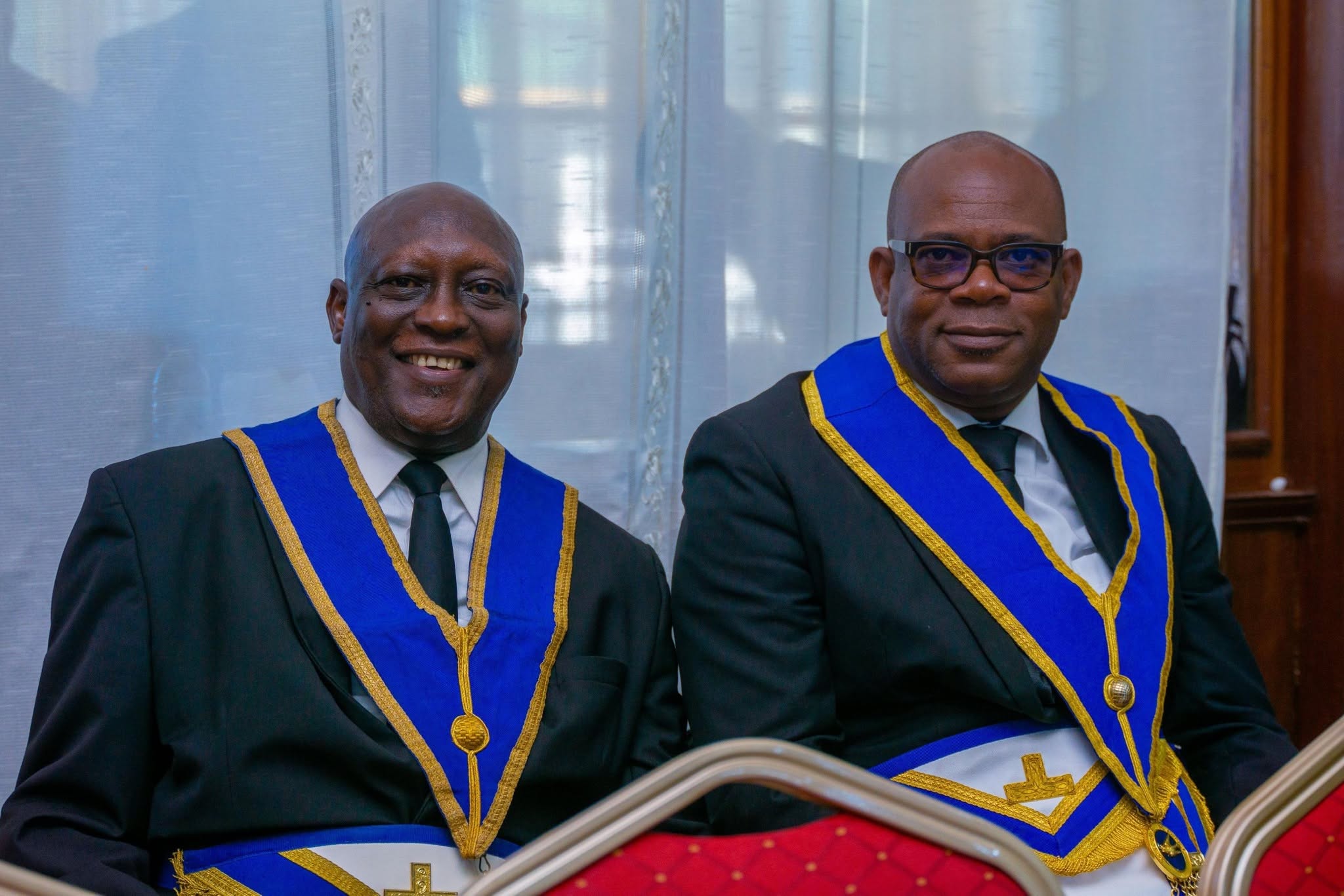

The District Grand Lodge of Sierra Leone and The Gambia (English Constitution) is the governing body of Freemasonry within Sierra Leone and The Gambia, operating under the authority of the Read More